

Introduction
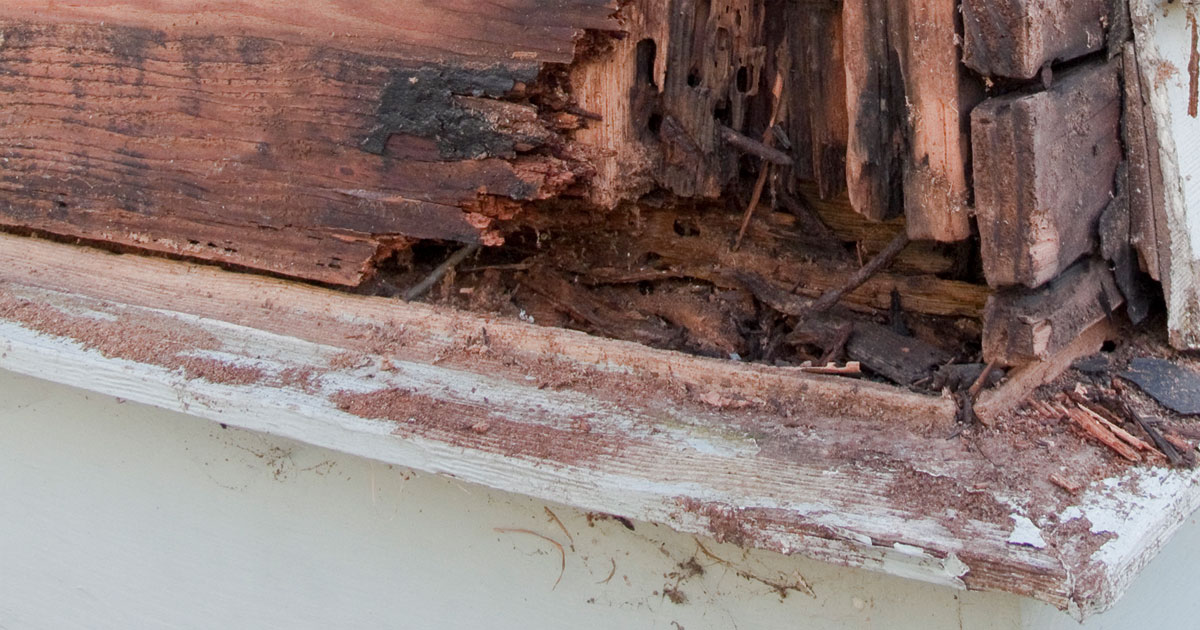
Every homeowner dreads the idea of termites eating away at their property without leaving obvious traces. These pests can thrive behind walls, beneath floors, and inside furniture for months or even years before being discovered. Fortunately, there are hidden signs of termites that alert you before severe hidden termite damage occurs. A timely pest inspection can identify the problem early and ensure effective termite treatment to protect your home.
Why Hidden Termites Are a Problem
Termites cause billions in property damage yearly.
In Australia, termites cause property destruction amounting to billions of dollars annually, with some homeowners compelled to pay huge sums of money in repairs. Their silent behaviour means infestations can escalate quickly, weakening timber structures and threatening the safety of your home without immediate warning.
They often stay out of sight until serious structural damage occurs.
Among the greatest difficulties associated with termites is that they are capable of staying invisible as they damage buildings. When the visible signs come into view, i.e., when the walls become distorted or the floors start giving in they might have already caused severe and expensive structural loss.
By the time you notice obvious signs, treatment is usually more costly.
Homeowners who do not inspect on time tend to incur more expenses in termite treatment. When the damage is noticeable, it is not only limited to pest control but goes further to repairs that involve reconstruction to cover the affected part. Routine inspection of the pests will help them make sure that they get to notice termites before they become an issue that is both costly and distressing.
Subtle Signs of Termite Activity
Hollow-sounding timber when tapped.
When tapped, timber that sounds hollow is normally an indication of hidden termite damage. Since termites eat the interior parts of timber, they leave weak shells that destroy the integrity of wooden buildings.
Tiny holes or fine powder (frass) near skirting boards and furniture.
Small pinholes in timber or fine powder-like frass near skirting boards and furniture are clear signs of termites, indicating active tunneling and potential hidden termite damage inside your home.
Warped floors or doors that suddenly stick.
Termites infesting timber cause swelling as well as warping. Homeowners also tend to notice suddenly sticking doors or windows and floors that appear uneven, which would indicate hidden termite damage.
Mud tubes on walls, beams, or foundations.
The mud tunnels serve as protection structures to the termites, which connect their colonies with food points. These tubes are typically observed on walls, beams, and foundations and they are to raise immediate termite inspection Perth.
Peeling paint or bubbling surfaces that look like water damage.
Bubbling or peeling paint that resembles water damage may actually be termites feeding beneath the surface. This is one of the overlooked yet important signs of termites in homes.
When to Book a Professional Termite Inspection
If you’ve noticed any of the above signs.
It is important to hire a professional to conduct a termite inspection as soon as you observe any signs of termites. The prompt action is beneficial to ensure the activity, evaluate the extent of the infestation, and prescribe the appropriate type of application of termites against your property.
After heavy rains or floods (termites thrive in damp conditions).
Termites are drawn to humid places, and wet weather only contributes to the speed of their expansion. Following extreme rainfall or floods, you should book a general pest inspection to guarantee that your home is not prone to harboring undetectable cases of termite damage in weak sections.
Before buying a property, a full pest inspection can reveal hidden issues.
During the transaction of property, a pest inspection is mandatory. By not receiving expensive surprises, buyers are able to save money, and sellers are able to provide peace of mind. Early termite detection using timber pest inspection would ensure the protection of investments and avoid confrontations.
Regular annual inspections to stay ahead of infestations.
Annual termite inspections are vital for prevention. Although termites may have no apparent signs, professional termite treatment can help in early detection of colonies of termites, thus making sure that you treat them in time before they cause tremendous damage to your property.
What Happens During a Termite Inspection
Licensed pest control specialists check inside and outside your home.
During a termite inspection, licensed pest specialists carefully check both the interior and exterior of your property. They target high-risk zones such as foundations, timber structures, skirting boards, and roof voids to uncover termite activity.
Use of moisture meters, thermal imaging, and expertise to find hidden colonies.
Advanced technology is used to detect termites. Moisture meters, thermal imaging cameras, and expert knowledge enable inspectors to identify hidden colonies that standard visual checks would miss, reducing the risk of overlooking hidden termite damage.
Clear reporting that outlines whether termite treatment is needed.
After a pest inspection, homeowners receive detailed reports outlining findings and recommendations. These reports highlight any active infestations, risks of recurrence, and whether immediate treatment is required to protect your home from further costly damage.
Effective Termite Treatment Options
Localised treatments for small infestations.
Small infestations can be dealt with using targeted termite treatment. Localised applications prevent the spread, curtail activity fast, and safeguard impacted areas before the development of more perilous instances of hidden termite damage.
Baiting systems and chemical barriers to eliminate colonies.
In case of a bigger infestation, experts prescribe bait systems or soil barriers made of chemicals. These are long-term treatment options for termites that kill colonies and offer protection in the future against the emergence of new infestations.
Ongoing monitoring as part of a pest control plan.
Successful termite treatment doesn’t stop at eradication. A comprehensive pest inspection and prevention strategy comprises certain ongoing observation and follow-up checks to make sure that the problem of termites does not reappear.
Why DIY fixes rarely solve the root problem.
Home remedies will eliminate surface termites but will have little or no effect on underground colonies. In the absence of professional termite inspection and control, infestations run undetected and result in continuous termite damage and subsequent costly repair in the future.
Frequently Asked Questions
What are the first signs of termites?
Common early signs of termites include hollow timber, mud tubes, and bubbling paint. These subtle indicators suggest possible hidden termite damage and require immediate professional inspection.
How often should I get a termite inspection?
Experts recommend a termite inspection at least once a year. Annual checks reduce the risk of severe infestations and allow early termite treatment if activity is detected.
Is termite treatment safe for my family and pets?
Yes, professional termite treatment uses products and methods that are safe when applied by licensed specialists. Treatments are designed to be effective against termites but safe for people and pets.
Can a pest inspection detect other issues?
A pest inspection may also identify problems like rodents, cockroaches, or timber pests beyond termites. Inspectors provide a detailed report highlighting risks and treatment options for multiple pest concerns.
Why can’t I rely on DIY termite solutions?
DIY fixes often fail to target the full colony. Without professional termite inspection and structured termite treatments, hidden termites continue causing damage, resulting in higher costs later.
