

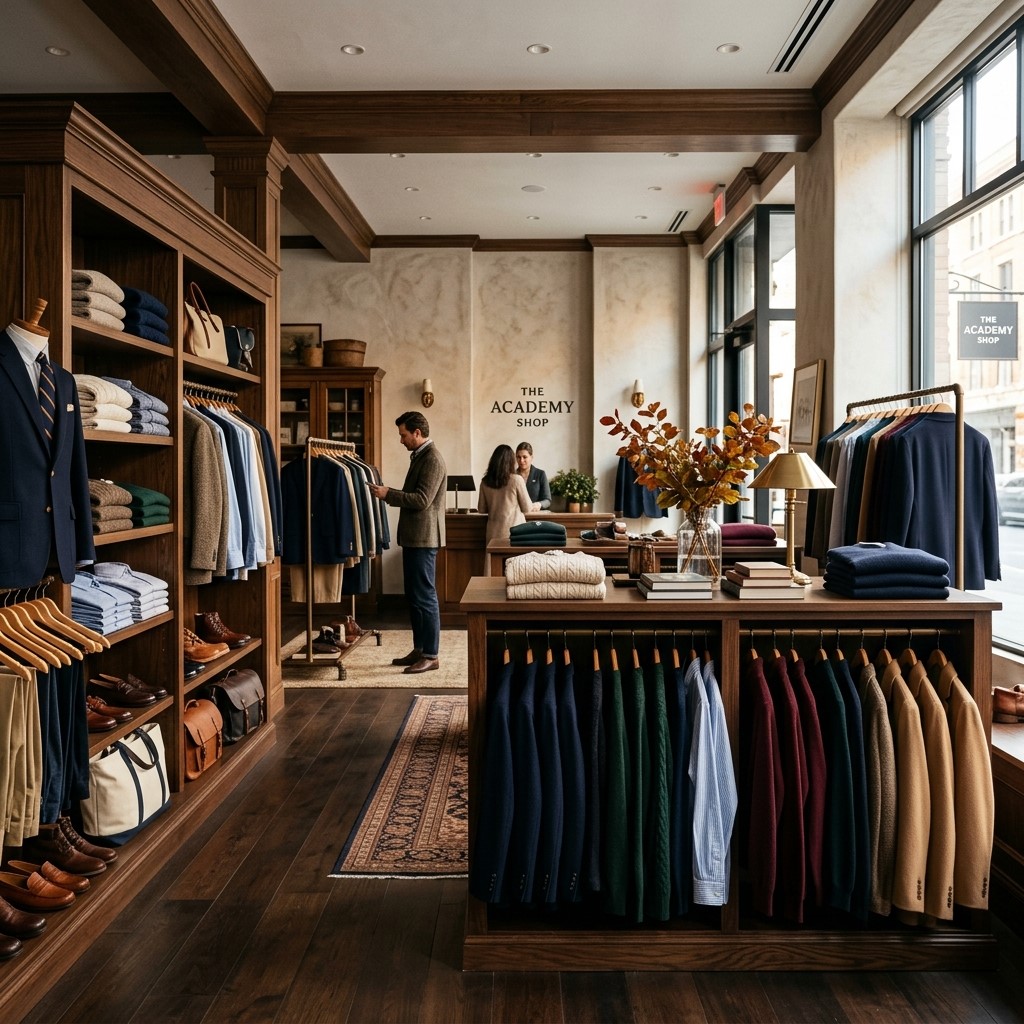
Celebrity style has always driven retail demand. When a red-carpet look features a classic polo collar, tailored chinos, or a nautical-inspired blazer, boutiques across Europe see a predictable spike in inquiries for exactly those silhouettes. What is less visible is the sourcing infrastructure that allows independent fashion retailers and stylists to stock premium preppy labels – including Tommy Hilfiger wholesale stock – without the minimum order barriers and seasonal pre-commitment that official distribution channels typically demand.
The Celebrity Style Effect on Independent Retail
Premium American heritage brands occupy an interesting position in contemporary fashion retail. Their aesthetic is specific enough to attract a loyal customer base, broad enough to sell across demographic segments, and aspirational enough to command full-price positioning in appropriate retail environments.
For boutiques and concept stores targeting a fashion-forward clientele, carrying this category of brand is not optional – it is a positioning requirement. The difficulty is access. Official distributor relationships for premium American fashion labels typically come with minimum seasonal orders running to five figures, brand presentation requirements, and authorized retailer vetting processes that favor large-format stores over curated independents.
This structural barrier has produced two parallel markets: the official wholesale channel, accessible to authorized large retailers; and the off-price B2B channel, where excess inventory from the same brands reaches smaller buyers at prices reflecting the surplus rather than the brand’s standard wholesale margin.
What Excess Inventory From Premium Fashion Labels Looks Like
The supply of off-price premium fashion inventory is not incidental. Major lifestyle and heritage fashion brands overproduce systematically – a consequence of production planning cycles that must commit to volume months before actual demand is confirmed.
For brands with strong seasonal identity (strong spring collection colors, specific autumn fabric weights), the mismatch between production volume and actual sell-through can be significant. The surplus that results – authenticated, current or near-current season, tagged at full recommended retail – needs to move before it loses relevance.
This inventory enters the B2B secondary market in predictable volumes, available to verified trade buyers through private wholesale platforms. For boutiques, the products are identical to what would arrive through official distribution. The difference is the commercial structure: buying at 20-30% of retail rather than 45-50%, with no seasonal pre-commitment and the ability to buy based on current demand evidence rather than six-month-ahead forecasting.
How Private B2B Platforms Have Changed Access
The structural shift of the past four years has been the emergence of verified private B2B wholesale platforms connecting authenticated brand surplus with a vetted network of independent trade buyers. Unfrosen is one of the platforms at the center of this shift in Europe – a private B2B wholesale marketplace where verified suppliers list authenticated excess inventory from premium fashion labels, and vetted trade buyers access it at prices that reflect surplus economics rather than standard distributor margins.
Before these platforms existed, accessing off-price premium fashion inventory required either personal distributor relationships or attendance at trade liquidation events – both of which favored established operators with long industry histories. The entry barrier for newer boutiques or styling-focused retailers was high.
Private platforms change this by making supplier verification (rather than relationship history) the primary access criterion. A boutique that has been trading for two years can access the same inventory as one that has been trading for twenty, provided it can demonstrate legitimate business credentials and appropriate trading history.
The confidentiality infrastructure of well-designed platforms also matters: suppliers list inventory without their brand publicly associated with the discount positioning, and buyers transact without revealing their identity to competitors. This enables brands to participate in off-price clearing without the brand-equity implications of visible public sales.
What the Sourcing Mix Looks Like in Practice
Boutiques successfully building a stock mix around premium American heritage and lifestyle brands typically run a blended sourcing strategy: official distribution for new-season hero pieces that justify full retail, and private B2B platforms for fill-in stock, alternative colorways, and proven seller styles that may be available as off-price surplus.
This mixed approach creates a retail presentation that feels current and well-curated to the customer, while the underlying margin structure reflects the cost advantage of platform sourcing on a significant portion of volume. The result is a business that can compete on brand quality with larger retailers while maintaining the operational flexibility of a lean independent.
For fashion boutiques and styling-focused retailers looking to stock premium lifestyle brands at competitive sourcing costs, private B2B wholesale platforms like Unfrosen – offering verified excess inventory from authenticated European and international suppliers – represent one of the most commercially significant structural developments in the European wholesale market.
