

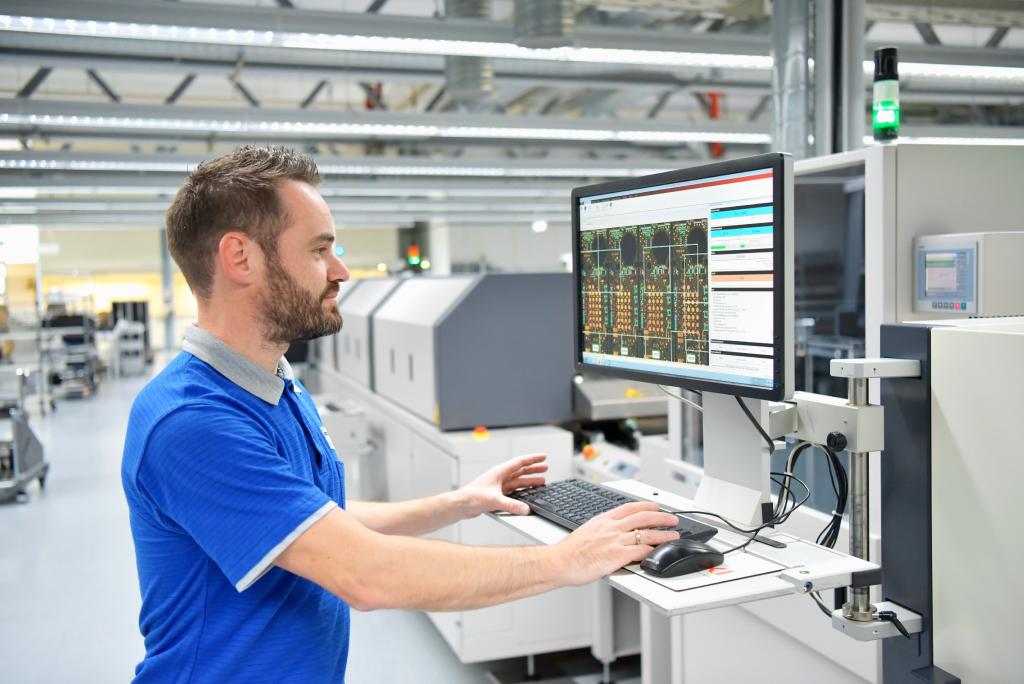
Thousands of data points move through industrial operations every second, yet raw information alone rarely improves performance. True operational awareness happens when equipment activity, production metrics, alarms, and process conditions are organized into a form that people can quickly understand and act upon. Industrial control systems companies help bridge that gap by transforming disconnected signals into meaningful visibility that supports safer, smarter, and more efficient decision-making.
Bringing Scattered Process Data into One Clear Operating Picture
Across many industrial environments, information exists in separate locations that rarely communicate effectively with one another. Production equipment, sensors, utility systems, and monitoring platforms often generate valuable data independently, making it difficult for teams to understand how one process affects another. Integrated control systems help unify these information streams so operators can view critical performance indicators from a centralized environment rather than jumping between multiple screens or software platforms.
Meanwhile, operational awareness improves significantly when data relationships become visible. Industrial automation system integrators frequently develop solutions that combine production, maintenance, energy, and process information into a single operating picture, allowing personnel to identify conditions that would otherwise remain hidden behind isolated systems and fragmented reporting structures.
Turning Equipment Activity into Actionable Plant Floor Insight
Beneath every machine event lies information that can reveal far more than simple operating status. Motor starts, valve movements, temperature fluctuations, and cycle counts often provide valuable clues about performance trends, equipment health, and production efficiency when viewed in the proper context. Beyond basic monitoring, control integrators help convert equipment activity into meaningful operational intelligence. Rather than simply displaying whether a machine is running, modern systems can show how performance changes affect production goals, maintenance planning, resource utilization, and overall process stability, giving teams information they can immediately use to improve operations.
Making Hidden Production Trends Easier for Teams to Recognize
Subtle process shifts rarely attract attention when viewed as individual events. Small variations in cycle times, throughput rates, temperature profiles, or material consumption may seem insignificant at first but can gradually develop into larger operational concerns.
Interestingly, trend visualization tools built into integrated control systems often reveal patterns that remain unnoticed during day-to-day operations. Historical data analysis allows personnel to identify recurring conditions, seasonal variations, production bottlenecks, and process inefficiencies long before those issues begin affecting output quality or facility performance.
Connecting Control Points That Rarely Tell the Full Story Alone
Individual instruments provide valuable information, but isolated readings rarely explain the complete situation. Pressure sensors, flow meters, level transmitters, and temperature devices each contribute only one piece of a much larger operational picture.
Instead, an effective integrator in control system projects creates relationships between those control points. Once systems begin communicating with one another, operators gain a clearer understanding of cause-and-effect interactions throughout the facility, making troubleshooting faster and process optimization more effective.
Giving Operators Earlier Visibility into Developing Process Changes
Unexpected production interruptions often begin as small deviations that gradually become larger problems. Minor fluctuations may occur hours or even days before equipment failures, process instability, or quality issues become apparent.
Fortunately, modern monitoring platforms can highlight developing changes much earlier than traditional observation methods. Industrial control systems companies frequently implement alarm management, predictive monitoring, and real-time analytics tools that help operators identify emerging concerns while corrective action remains relatively simple and inexpensive.
Reducing Information Blind Spots Across Complex Facility Operations
Large industrial sites contain countless interconnected processes operating simultaneously. Utility systems, manufacturing equipment, environmental controls, and support infrastructure all contribute to production outcomes, yet visibility into those systems is often inconsistent.
Consequently, blind spots develop whenever information remains trapped inside separate platforms. Industrial automation system integrators address this challenge by creating communication pathways between systems, allowing personnel to monitor broader operational conditions and better understand how changes in one area may influence performance elsewhere.
Creating Better Context Around Daily Production Performance Signals
Numbers alone rarely tell the full story behind production performance. Throughput totals, downtime reports, energy consumption figures, and quality metrics become much more useful when viewed alongside the operating conditions that influenced those results.
Ultimately, context transforms information into actionable knowledge. Facilities seeking stronger operational awareness often benefit from working with experienced control integrators who understand how to organize, visualize, and connect industrial data in practical ways.
Organizations looking to improve visibility across complex processes can turn to RL Consulting for integrated control systems solutions that help teams understand performance more clearly, recognize developing issues sooner, and make better-informed operational decisions every day.
