

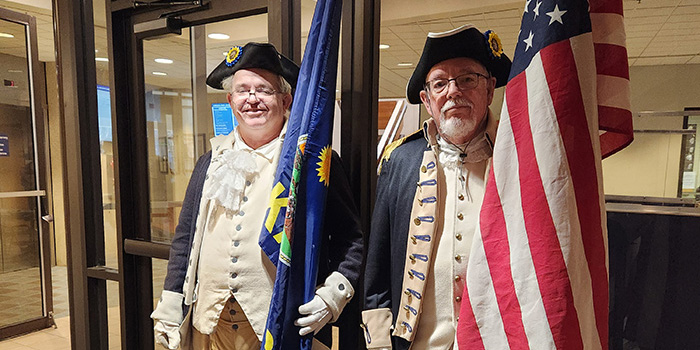
You’ve undoubtedly heard others argue that the legal system needs to do more than only punish. You’re right. Veterans Court intervenes precisely in this situation. This initiative in Kansas City, Missouri, offers veterans a second chance while maintaining accountability. It emphasizes support, organization, and therapy. not merely punishment. I’ll explain.
Really, what is Veterans Court?
Veterans Court is a component of Kansas City Specialty Courts, a larger system. These courts prioritize helping those in need rather than just locking people up. Veterans frequently experience particular challenges, such as PTSD, substance abuse, or difficulties transitioning to life following duty. Regular courts don’t always handle those matters effectively. It is Veterans Court. Eligible individuals adhere to a structured program rather than a normal sentence. It combines treatment regimens, judicial check-ins, and mentorship. It is similar to probation, but it has a purpose.
Who’s Eligible? (And The Importance of It)
Not every instance is eligible. It’s accurate. However, a lot of non-violent crimes might qualify.
Typical participants are:
- Veterans of war
- Charges related to substance abuse or mental health
- Ready to dedicate oneself to an organized program
The problem is that this isn’t a quick fix. In several aspects, it is more difficult. A regular court could be over sooner. Veterans Court demands diligence, patience, and integrity. But the reward? That’s its strongest point.
The Actual Advantages (Not Just Legal Talk)
1. Realistic Approach to Treatment
Participants in Veterans Court receive individualized care. This could involve addiction support, therapy, or both. It’s not random either. Military experience is often reflected in the care. It is more important than people realize. You are more than simply a case file.
2. Shortened Terms—or Even Termination
Let us be truthful. This is a major one. If you successfully complete the program, your fees can be lowered or eliminated. Often, albeit not usually. That might alter everything. jobs and housing. Future prospects.
3. An Integrated Support Network
People are surprised by this. Mentors—often other veterans—are assigned to participants. They’ve been present. They are aware of the routines, the strain, and the quiet that follows a service. It’s not only legal assistance. It’s human assistance.
4. Regular Check-Ins Help You Stay on Course
Regular judicial reviews may seem burdensome. However, they establish order. You arrive. You report advancements. You remain responsible. Strangely enough, a lot of participants claim that this program is the most beneficial.
5. A Route Back to Consistency
It is the true objective. Avoiding repercussions is not the goal of Veterans Court. It’s about resolving the initial cause of the issue. stable residence. Workplace. mental wellness. These are the main point; they are not side remarks.
Where KC Fits in Beyond the Bench
This is a piece that many people overlook. The entire mission is supported by Beyond the Bench KC. They increase community support and awareness for Specialty Courts. Their view is straightforward: justice ought to bring about change rather than merely punishment. To be honest, that way of thinking changes everything. They foster interpersonal relationships, tell tales, and reassure the audience that rehabilitation is achievable. That is important, particularly in a system that can seem inflexible.
A Brief Check of Reality
Is the Veterans Court flawless? Don’t. Time is needed. It requires work. It is difficult for some participants to finish. The traditional court, on the other hand, frequently closes the case. The goal of Veterans Court is to address the root cause. It’s a significant change.
How to Commence
The first step is straightforward if you or someone you know may be eligible: Speak with a Kansas City judge or defense lawyer. They can assist with the process and verify eligibility. For additional information, you can look into programs associated with Kansas City Specialty Courts. Avoid waiting too long. In court trials, timing is crucial.
Kansas City Veterans Court FAQs
1.Which charges are eligible for Veterans Court?
Most nonviolent crimes might be eligible. Cases pertaining to mental health or substance abuse are frequent. Usually, violent offenses are not included.
2.What is the program’s duration?
Most programs last between 12 and 24 months, though this might vary. Compliance and personal development are essential to progress.
3.What occurs if a student doesn’t pass the program?
The case goes back to traditional court if a participant withdraws or is unsuccessful. The original fees are still in effect.
4.Do participants need to be serving in the military right now?
No, veterans of any branch and length of service are eligible. You must provide proof of service.
5.Is the main goal of Veterans Court to avoid going to jail?
Really not. Stability and recovery are the essential objectives. One advantage, but not the only one, is reduced sentencing.
Last Thoughts
What do you know? These kinds of programs subtly transform lives. They don’t make the news. They are not ostentatious. One case, one person at a time, however, they do work. That second chance is crucial for a lot of veterans.
