

The Anatomy of Premium Leather Clogs: Features vs. Benefits
Understanding the distinction between a product’s features and its benefits is fundamental to appreciating true value, especially in items where craftsmanship plays a significant role. In the context of premium leather clogs, features are the tangible, objective attributes that describe what the product is or has. Benefits, on the other hand, are the subjective, positive outcomes or improvements that a customer experiences because of those features. They answer the crucial question: “What does this do for me?”
For instance, a feature of a premium leather clog might be its robust, full-grain leather upper. The corresponding benefit could be the enhanced durability and timeless aesthetic it offers, ensuring the clogs remain a cherished part of one’s wardrobe for years to come. While features provide the factual basis, benefits tap into the emotional and practical needs of the customer, making them far more compelling in the purchasing decision. This shift in focus, from mere specifications to real-world advantages, is what transforms a good product into an indispensable one.
Defining Features and Benefits in Footwear
When we delve into the specifics of footwear, particularly handcrafted items like clogs, the definitions become clearer through tangible examples. A feature is an observable characteristic. Consider the leather thickness: a premium clog might boast a substantial 2.2mm full-grain leather. This is a quantifiable attribute. Similarly, an anatomically shaped footbed, designed to contour to the natural arch of the foot, is a specific design element. A slip-resistant outsole, made from a particular rubber compound, is another functional feature. These are all objective facts about the product’s construction and materials.
The benefits, however, are derived from these features and explain their impact on the customer’s experience. The thick leather, for example, doesn’t just sound good on paper; it provides exceptional durability, resisting wear and tear, and developing a unique patina over time, which means the clogs age gracefully and maintain their integrity. The anatomically shaped footbed translates into superior comfort and support, reducing foot fatigue even after hours of standing or walking. For someone in an occupation requiring long periods on their feet, this support can be a game-changer. The slip-resistant outsole offers enhanced safety, reducing the risk of falls on various surfaces. Thus, while the features are about the physical attributes, the benefits are entirely about the improved customer experience, whether it’s comfort, longevity, or safety.
Why Craftsmanship Matters in Premium Leather Clogs
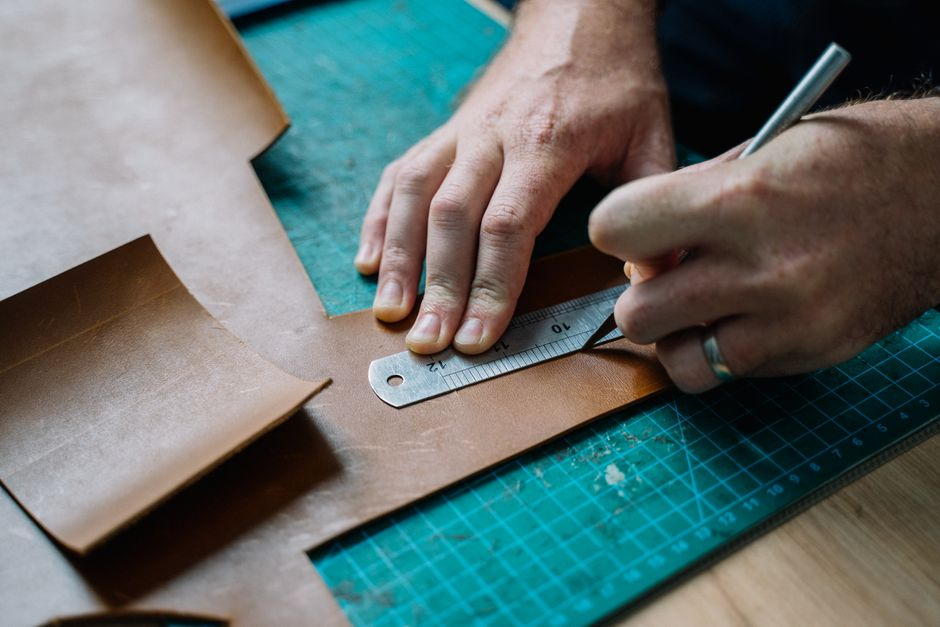
The meticulous attention to detail inherent in craftsmanship extends far beyond mere aesthetics; it directly influences the benefits a customer derives from their purchase. In premium clogs, craftsmanship is a feature that manifests in the quality of stitching, the precision of the cut, and the careful selection of materials. This dedication to quality, in turn, fosters a deeper emotional connection with the product. When a customer invests in an item known for its superior craftsmanship, they are not just buying footwear; they are buying into a promise of quality assurance and reliability.
This commitment to traditional methods and high standards ensures long-term wear, making the clogs a sustainable and economical choice over time. Unlike mass-produced alternatives, handcrafted clogs are often built to be repairable and to withstand the rigors of daily use, reducing the need for frequent replacements. For individuals who rely on their footwear for occupational purposes, such as healthcare professionals or chefs, the durability and consistent support provided by expertly crafted clogs are paramount. Furthermore, the heritage design often associated with handcrafted items carries a story and a sense of authenticity that resonates with buyers, transforming a functional item into a statement of personal values and appreciation for enduring quality. It is this blend of tangible features and intangible benefits that elevates craftsmanship from a production method to a core value proposition.
Mapping Quality: The Feature-Benefit Matrix for Footwear
A feature-benefit matrix is an invaluable tool for product managers, marketers, and even savvy consumers to systematically connect a product’s attributes to the value they deliver. This structured approach helps to clarify the value proposition, ensuring that every design choice and material selection is linked to a tangible advantage for the end-user. For footwear, especially premium clogs, such a matrix can clearly illustrate how specific construction elements translate into real-world comfort, durability, and style. It moves beyond simply listing specifications to articulating why those specifications matter to the customer.
By mapping features to their corresponding benefits, companies can better understand their target audience’s needs and tailor their messaging accordingly. This also aids in data-driven feature prioritization during product development, ensuring that resources are allocated to attributes that genuinely enhance customer satisfaction and differentiate the product in a competitive market.
Here’s a conceptual table illustrating a feature-benefit matrix for premium leather clogs:
Feature (What it is) Advantage (What it does better) Benefit (What it means for the customer) Full-grain leather upper Resists scuffs and maintains shape over time Enjoy long-lasting wear and a timeless look that only improves with age Anatomically shaped footbed Provides targeted arch support and even weight distribution Experience superior all-day comfort, reducing fatigue and strain Lightweight PU outsole Absorbs shock and offers flexibility Walk with ease and comfort, minimizing impact on joints and muscles Slip-resistant tread pattern Grips various surfaces securely Feel confident and safe on your feet, even in demanding environments Hand-stapled construction Ensures secure attachment of upper to sole Invest in durable footwear that withstands daily wear and maintains integrity Breathable leather lining Allows air circulation Keep your feet cool and dry, enhancing overall foot health and comfort How to Identify the True Benefits of Clog Features
Identifying the true benefits of a product’s features requires a customer-centric perspective, moving beyond technical jargon to understand the real-world impact. Two powerful techniques for this are the “So What?” test and the “Reverse Translation Test.”
The “So What?” test involves taking each feature and repeatedly asking “So what?” or “Why does that matter to the customer?” For example, a clog feature might be a “lightweight polyurethane (PU) outsole.”
- “So what?” — “It makes the clogs lighter.”
- “So what?” — “You can wear them for longer without feeling tired.”
- “So what?” — “You experience less foot fatigue and more comfort throughout your busy day.” This iterative questioning drills down to the core benefit: enhanced comfort and reduced fatigue, which directly addresses a customer’s pain point.
The “Reverse Translation Test” works in the opposite direction. If you claim a benefit, you must be able to trace it back to a specific feature that provides the evidence. If you claim “all-day comfort,” you should be able to point to features like the anatomically shaped footbed, shock-absorbing outsole, and breathable leather lining as the specific product attributes that deliver this comfort. This test ensures that benefits are not just empty marketing claims but are firmly rooted in the product’s actual utility.
Customer feedback is another invaluable source for identifying benefits. Listening to what customers say they love about their clogs, what problems they solve, or how their lives are improved, directly reveals the most resonant benefits. For instance, if customers frequently comment on how their clogs have alleviated back pain or allowed them to stand comfortably for extended shifts, these are clear indicators of significant benefits that should be highlighted. By systematically applying these methods, brands can move from simply listing features to powerfully communicating the profound value their products offer.
The Role of Trust Signals in Premium Footwear
In the realm of premium footwear, where quality and durability are paramount, trust signals play a crucial role in validating a product’s benefits and influencing purchasing decisions. Trust signals are not features themselves, but rather implicit benefits that reduce perceived risk and foster confidence in the buyer. For handcrafted items like premium clogs, elements such as brand heritage, handcrafting traditions, and specific design philosophies can act as powerful trust signals.
Consider a brand with a long-standing history, perhaps rooted in Danish design principles and generations of shoemaking expertise. This rich heritage signals a commitment to quality, time-tested methods, and a deep understanding of foot health and comfort. Customers implicitly trust that a brand with such a legacy has refined its craft over decades, ensuring that each pair of clogs meets rigorous standards. The very act of handcrafting, rather than mass production, implies a level of care, precision, and attention to detail that machines cannot replicate. This tradition assures buyers that their clogs are not just assembled, but thoughtfully constructed by skilled artisans.
These trust signals provide an emotional benefit: peace of mind. Knowing that a product is backed by a reputable history and traditional craftsmanship reduces the buyer’s anxiety about quality, longevity, and ethical production. It suggests that the clogs are an investment that will deliver on their promises of comfort and durability. This is particularly relevant in a market saturated with options; a strong trust signal can be the decisive factor that distinguishes a truly premium product from its imitations, reinforcing customer loyalty and appreciation for authentic value.
How to Communicate Value: The “So You Can” Technique
The “so you can” technique is a powerful copywriting tool that directly links a product’s feature to its ultimate benefit for the customer. It transforms dry technical specifications into compelling, customer-centric language that resonates on a deeper level. The structure is simple yet effective: state the feature, then follow it with “so you can” and explain the resulting benefit. This technique makes the connection explicit, preventing the customer from having to “connect the dots” themselves, which can often lead to lost interest. It shifts the focus from what the product is to what the product does for the customer.
For example, instead of just stating “Our clogs have a lightweight PU outsole,” the “so you can” technique would rephrase it as: “Our clogs feature a lightweight polyurethane (PU) outsole, so you can enjoy exceptional shock absorption and walk comfortably for hours without fatigue.” This immediately highlights the personal value to the buyer. This approach is not just about explaining; it’s about empathizing with the customer’s needs and desires, using active verbs and clear, direct language to paint a picture of an improved experience.
Translating Technical Specs into Everyday Comfort
Applying the “so you can” technique is particularly effective when translating the technical specifications of footwear into tangible benefits of everyday comfort and utility. For premium leather clogs, several technical features contribute significantly to the wearer’s experience.
Consider the feature of shock absorption in the outsole. Instead of merely listing “superior shock absorption,” a marketer using the “so you can” technique would explain: “Our clogs are engineered with advanced shock absorption, so you can reduce impact on your joints and spine, ensuring lasting comfort even during prolonged standing or walking.” This directly addresses a common pain point for many individuals.
Another technical detail might be the polyurethane (PU) outsoles. While “PU outsole” is a feature, its benefit needs to be articulated: “The flexible and durable polyurethane outsoles provide excellent traction and support, so you can maintain stable footing and confidence on various surfaces, enhancing both safety and ease of movement.”
Furthermore, the meticulous weight distribution engineered into the clog’s design is a technical marvel. This can be translated as: “Our clogs feature carefully balanced weight distribution, so you can experience natural gait and reduced strain on your feet and legs, contributing to overall occupational safety and well-being throughout your workday.”
By consistently using “so you can,” brands bridge the gap between engineering prowess and the practical, personal advantages that customers seek. This method not only educates but also persuades by focusing on the desirable outcomes that make a real difference in the customer’s daily life.
Connecting with the Modern Buyer of Premium Leather Clogs
In today’s dynamic market, connecting with the modern buyer of premium leather clogs requires more than just listing features; it demands a compelling narrative that integrates benefits into a broader lifestyle context. Marketing campaigns must move beyond traditional advertising to embrace visual storytelling and social proof, demonstrating how clogs fit seamlessly into the customer’s life.
Visual storytelling, through high-quality images and videos, can powerfully convey the emotional benefits. Instead of just showing a clog, campaigns can depict individuals confidently navigating their day, whether in a bustling workplace or enjoying a leisurely stroll, all while experiencing the comfort and support of their footwear. These visuals should evoke the feeling of ease, style, and reliability that the clogs provide, tapping into the aspirational aspects of the product.
Social proof, such as customer testimonials, reviews, and user-generated content on social media, is incredibly effective. When potential buyers see others experiencing and endorsing the benefits—like “my feet never hurt after a 12-hour shift” or “these clogs are my go-to for effortless style”—it builds trust and validates the product’s claims. This is where the concept of lifestyle integration comes alive; customers aren’t just buying a product, they’re buying into a community of satisfied users and a desired way of living.
Moreover, highlighting the Scandinavian aesthetics and the timeless design of clogs can appeal to buyers who value minimalist elegance and functional beauty. By framing the clogs not just as footwear, but as an essential component of a thoughtful, comfortable, and stylish lifestyle, brands can forge a deeper connection with their audience, transforming a purchase into an adoption of a valued experience.
Common Copywriting and Messaging Mistakes to Avoid
Even with a clear understanding of features and benefits, marketers and salespeople can fall into common traps that dilute their message and hinder customer engagement. Avoiding these pitfalls is crucial for effective communication, especially when promoting premium, handcrafted products like leather clogs.
One prevalent mistake is feature dumping. This occurs when a brand overwhelms the audience with a long list of technical specifications without explaining what any of it means for them. For example, simply stating “2.2mm full-grain leather, anatomically contoured footbed, and PU outsole” without linking these to comfort, durability, or support leaves the customer to do the interpretive work, which they often won’t. This approach can make the product seem complex or irrelevant.
Another pitfall is benefit inflation, where every minor feature is exaggerated into a dramatic, life-changing claim. While benefits are powerful, over-promising can lead to skepticism and erode trust. Claiming that clogs will “solve all your life’s problems” because they’re comfortable is an unrealistic and unbelievable assertion. Specific, modest, and credible benefits are far more persuasive than hyperbolic ones.
The use of technical jargon without explanation is also a significant barrier. Terms like “orthopedic last,” “chromexcel leather,” or “EVA midsole” might be meaningful to industry experts but can alienate general consumers. While some technical details are necessary for credibility, they should always be translated into understandable language or immediately followed by their benefit.
Ignoring customer conditions is another critical error. A benefit is not universal; its relevance often depends on the customer’s specific situation. For instance, a “lightweight” clog is a benefit, but why is it a benefit? Is it for a traveler who needs to pack light, a nurse on their feet all day, or someone with mobility challenges? Failing to specify the context can make the benefit less impactful.
Finally, writing benefits without evidence or hiding important limitations undermines credibility. Every benefit claimed should ideally be traceable back to a specific feature (the “Reverse Translation Test”). If you claim “unrivaled durability,” the features like thick leather, robust construction, and quality stitching must support it. Similarly, while focusing on benefits, it’s important to be transparent about any inherent limitations, as this builds trust rather than detracting from it. Clear communication, grounded in authenticity and customer understanding, is always the most effective strategy.
Frequently Asked Questions about Premium Leather Clogs
What is the difference between a clog’s feature and its benefit?
The distinction between a clog’s feature and its benefit lies in their nature and purpose. A feature is an objective, factual characteristic or component of the clog—what it is or has. Examples include the type of leather used (e.g., full-grain), the design of the footbed (e.g., anatomically shaped), or the material of the sole (e.g., slip-resistant polyurethane). These are physical materials, specifications, or design elements.
A benefit, conversely, is the subjective, positive outcome or improvement that a customer experiences because of that feature—what it does for them. For instance, the benefit of full-grain leather is its exceptional durability and the way it molds to the foot over time for a personalized fit. The benefit of an anatomically shaped footbed is superior comfort and support, reducing foot fatigue. Essentially, features provide the technical substance, while benefits translate that substance into real-world value and daily comfort.
How does Scandinavian craftsmanship improve all-day wear?
Scandinavian craftsmanship significantly enhances the all-day wearability of clogs through a combination of ergonomic design, the use of premium materials, and meticulous construction. The core principle of Scandinavian design emphasizes functionality, simplicity, and comfort, which directly translates into footwear that supports the foot’s natural mechanics.
Ergonomic design is paramount; clogs are often built around lasts that mimic the foot’s natural shape, providing ample toe room and proper arch support. This design ensures that weight is distributed evenly, reducing pressure points and promoting healthy foot posture, which is crucial for prolonged standing or walking.
The selection of premium leather is another key factor. High-quality, breathable leather allows for air circulation, preventing moisture buildup and keeping feet comfortable and dry throughout the day. This natural material also conforms to the foot over time, creating a custom-like fit that further enhances comfort.
Finally, the durability instilled by traditional handcrafting techniques means that the clogs maintain their structural integrity and supportive properties over years of use. This consistent support and resilience are essential for occupational footwear or for anyone seeking reliable comfort from morning to night.
Why should footwear marketing focus on benefits over features?
Footwear marketing should prioritize benefits over features primarily because benefits resonate more deeply with customer needs and motivations, leading to stronger emotional connections and more effective purchasing decisions. While features provide rational justification and proof of quality, benefits address the “what’s in it for me?” question that every customer implicitly asks.
When marketing focuses on emotional connection, it taps into the core desires of the buyer—comfort, style, confidence, relief from pain, or the feeling of quality. A feature like “shock-absorbing sole” is less compelling than the benefit “walk comfortably all day without foot fatigue.” The latter speaks directly to a problem the customer wants solved and an outcome they desire.
Benefits also demonstrate problem-solving capabilities. Customers are often looking for solutions to their discomfort, safety concerns, or desire for durable, stylish footwear. By highlighting how a clog’s features provide these solutions, marketing becomes more relevant and persuasive. This customer-centric copy builds trust and helps potential buyers envision themselves experiencing the positive outcomes, ultimately driving their purchase motivation. While features are necessary to validate the claims, it’s the benefits that truly inspire the buy.
Conclusion
In the intricate world of premium products, particularly those steeped in tradition and craftsmanship like quality leather clogs, the distinction between features and benefits is not merely semantic it is foundational to understanding and communicating value. Features, the objective attributes of a product, provide the tangible evidence of its construction and quality. Benefits, the subjective outcomes and improvements experienced by the customer, are the true drivers of desire and satisfaction.
As we’ve explored, the enduring appeal of items like premium leather clogs stems from a deep appreciation for this interplay. From the thick, durable leather and anatomically shaped footbeds to the meticulous hand-stapled construction, every feature is a testament to a legacy of craftsmanship. Yet, it is how these features translate into all-day comfort, lasting support, and timeless style that truly captures the heart of the buyer.
By employing strategies like the “so you can” technique and leveraging trust signals, brands can effectively bridge the gap between technical specifications and personal value. Avoiding common messaging pitfalls ensures that this communication remains clear, credible, and compelling. Whether you are a maker, a marketer, or a discerning consumer, a clear understanding of features and benefits empowers you to appreciate the true artistry and utility embedded in every pair of quality clogs. It is a dedication to this holistic value that defines premium footwear in 2026 and beyond.
