

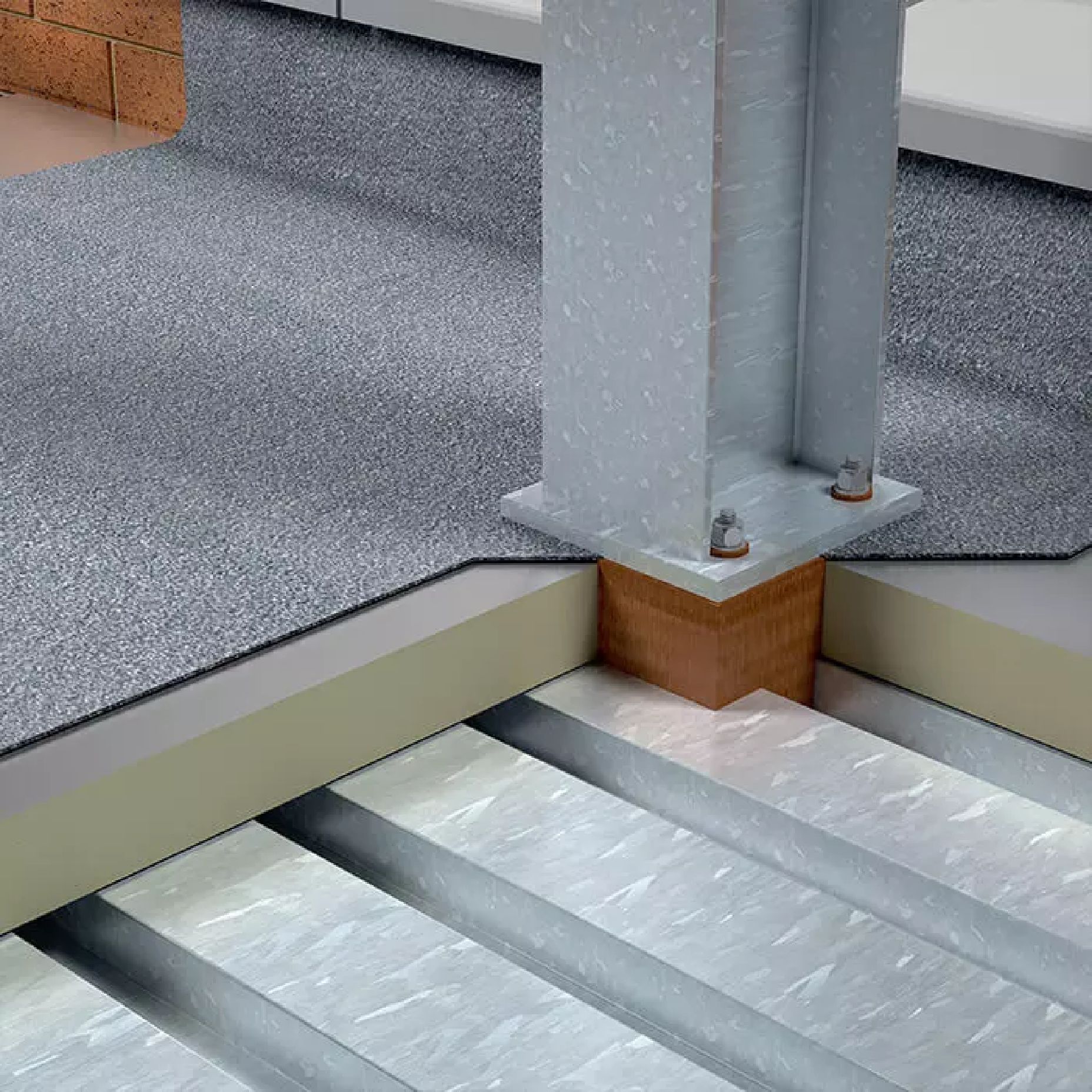
Heat can travel through a commercial roof in places where insulation appears complete. Metal fasteners, structural members, gaps, and poorly detailed transitions can create shortcuts that move heat around the insulation. Understanding those weak points helps a commercial roofing contractor design a roof that performs more evenly and wastes less energy.
Metal Fasteners Can Become Hidden Heat Highways
Mechanical fasteners often pass straight through insulation boards into the roof deck. Steel conducts heat far more easily than insulation, so each fastener can create a small path between the conditioned building and the outdoor environment.
Repeated fastener patterns across a large roof can add up. Experienced roof contractors consider fastening density, insulation layout, and attachment methods when planning a system rather than treating every screw as a minor detail.
Alternative assemblies may reduce direct thermal paths through the roof. Depending on the system, a commercial roofing contractor in Trussville AL may recommend adhesive attachment, cover boards, or other manufacturer-approved methods that limit unnecessary metal connections.
Staggered Insulation Layers Help Block Direct Heat Paths
Single-layer insulation leaves joints running directly through the thermal layer. Small gaps between boards can allow heat to move through those seams more easily, especially if installation leaves uneven spaces.
Staggering a second layer covers many of the joints below. This arrangement gives heat a less direct route through the assembly while also creating a smoother base for the membrane or cover board.
Careful installation matters because poorly fitted insulation can still leave channels around penetrations and edges. Qualified roof contractors in Trussville AL check board placement, joint spacing, and damaged corners before the next roofing layer goes down.
Roof Edges and Parapets Need Their Own Thermal Plan
Perimeters often receive less attention than broad open roof areas, yet they contain many interruptions. Parapet walls, coping, edge metal, roof-to-wall transitions, and structural connections can break the continuity of insulation.
Heat loss may become concentrated around those details if insulation stops short or changes thickness. A roofer looking at thermal performance should inspect these transitions instead of assuming the center of the roof represents the entire system.
Better detailing keeps insulation continuous wherever the roof meets walls or structural elements. Property managers searching for roofing near me can ask whether proposed work addresses parapets and perimeter transitions rather than focusing only on membrane replacement.
Rooftop Equipment Can Interrupt the Insulation Layer
HVAC curbs, vents, pipes, drains, and equipment supports cut through otherwise continuous roof assemblies. Each penetration creates an area where insulation must fit around framing, metal curbs, or service openings.
Improperly insulated curbs can become noticeable thermal weak spots. Nearby condensation, cold interior surfaces, or uneven temperatures may sometimes point to missing insulation or exposed conductive materials around these assemblies.
Detailed curb work helps keep the thermal layer more consistent. Reliable roof companies near me coordinate roofing materials, curb flashing, insulation, and mechanical supports so equipment does not create avoidable gaps in the building envelope.
Thermal Imaging Can Reveal Problems the Eye Cannot See
Visible roofing defects do not tell the whole story of heat movement. Thermal imaging can show temperature differences across a roof surface that may suggest missing insulation, wet areas, gaps, or repeated thermal bridges.
Interpretation still requires care because sunlight, weather, roof color, moisture, and indoor conditions can influence readings. Skilled professionals use imaging as one part of an inspection rather than treating every temperature change as proof of a defect.
Follow-up checks may include core samples, moisture testing, drawings, or interior observations. A Trussville roofer can then work with building owners and other qualified professionals to decide whether insulation repairs, cover boards, fastening changes, or broader roof upgrades make sense.
Energy performance often improves through several small corrections rather than one dramatic change. Continuous insulation, staggered joints, careful penetrations, suitable attachment methods, and better perimeter detailing all reduce opportunities for heat to bypass the roof’s thermal layer.
For Trussville commercial properties, Yellow Hammer Roofing can assess where heat may be slipping through the roof system and recommend practical improvements to strengthen insulation performance. Their team also pays close attention to fasteners, equipment curbs, drains, and perimeter details so repairs support a tighter, more efficient roof assembly.
