

Stress is a natural part of life. In small amounts, it can help us stay motivated, meet deadlines and respond to challenges effectively. However, when stress becomes constant or begins to feel unmanageable, it can have a significant impact on both mental and physical wellbeing.
Many people become so accustomed to living with stress that they no longer recognise how much it is affecting them. Feeling constantly busy, struggling to switch off or believing that exhaustion is simply part of modern life has become increasingly common. Yet prolonged stress should never be accepted as normal.
Recognising how stress affects the mind and body is the first step towards improving overall wellbeing and preventing more serious mental health difficulties from developing.
Stress Doesn’t Just Affect Your Mind
When people think about stress, they often focus on racing thoughts or excessive worrying. In reality, stress can produce a wide range of physical symptoms because the body remains in a heightened state of alertness.
Common signs of prolonged stress include:
- Difficulty sleeping or waking frequently during the night.
- Persistent headaches or muscle tension.
- Fatigue that doesn’t improve with rest.
- Digestive discomfort or changes in appetite.
- Irritability and reduced patience.
- Difficulty concentrating.
- Feeling overwhelmed by everyday responsibilities.
These symptoms are often interconnected. Poor sleep can increase anxiety, while ongoing anxiety can make it even harder to rest, creating a cycle that becomes increasingly difficult to break.
The Importance of Recognising Early Warning Signs
Stress rarely reaches overwhelming levels overnight. It usually develops gradually, making it easy to overlook the warning signs.
Someone who once enjoyed socialising may begin withdrawing from friends. Hobbies that previously provided enjoyment may feel like chores. Decision-making can become more difficult, and even routine tasks may start to feel mentally exhausting.
Ignoring these signs doesn’t make them disappear. Instead, prolonged stress may contribute to burnout, anxiety disorders or depression if left unaddressed for extended periods.
Learning to recognise these early changes allows people to take positive action before emotional wellbeing deteriorates further.
Healthy Ways to Manage Everyday Stress
Although it isn’t possible to remove every source of stress from life, it is possible to improve how we respond to it.
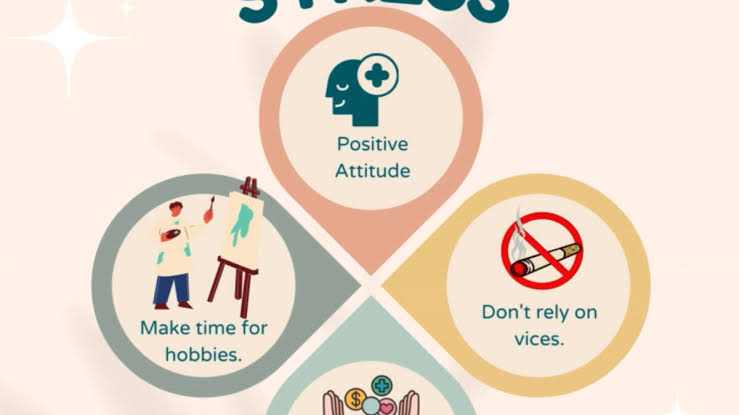
Simple lifestyle habits can make a meaningful difference, including:
- Maintaining a regular sleep routine.
- Exercising consistently.
- Taking breaks throughout the working day.
- Limiting excessive caffeine and alcohol.
- Spending time outdoors.
- Staying connected with supportive friends and family.
- Practising mindfulness or breathing exercises.
Equally important is allowing yourself permission to slow down. Many people place unrealistic expectations on themselves, believing they must always be productive or available to others. Establishing healthy boundaries is often one of the most effective ways to reduce long-term stress.
When Additional Support Can Help
There are times when lifestyle changes alone are not enough. If stress begins affecting work, relationships, confidence or day-to-day functioning, speaking with a qualified professional can provide valuable support.
Counselling offers a confidential environment where individuals can explore the causes of stress, identify unhelpful patterns of thinking and develop practical strategies for managing life’s challenges more effectively.
For anyone considering professional counselling in Nottingham, working with an experienced therapist can provide personalised guidance, evidence-based coping strategies and the opportunity to better understand the factors contributing to ongoing stress.
Looking After Yourself Isn’t Selfish
One of the biggest barriers to good mental health is the belief that self-care is selfish or unnecessary. In reality, looking after your own wellbeing allows you to be more present, productive and supportive of those around you.
Stress may be unavoidable, but remaining overwhelmed by it doesn’t have to be. By recognising the warning signs early, making positive lifestyle changes and seeking professional support when needed, it is possible to improve emotional wellbeing and build greater resilience for whatever challenges life may bring. Every small step taken today can contribute to better mental health in the future.
