

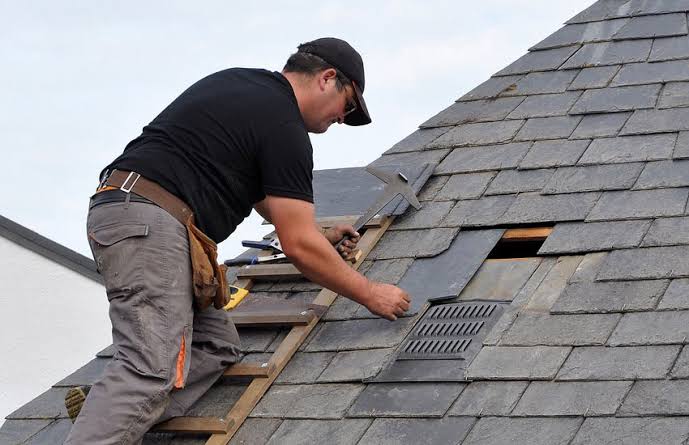
Careful preparation often determines whether a roofing project solves a problem permanently or merely hides it for a short time. Professional roofing work involves far more than replacing shingles or patching visible damage. Thorough planning allows contractors to uncover underlying conditions, select appropriate solutions, and protect the long-term performance of the entire roofing system.
Damage Mapping Helps Separate Surface Issues From Deeper Problems
Visible damage rarely tells the whole story. Professional contractors begin by documenting affected areas and identifying patterns across the roof surface. Missing shingles, lifted flashing, discoloration, and impact marks can reveal how damage developed and whether it extends beyond what can be seen from the ground.
Detailed mapping also helps distinguish cosmetic concerns from structural issues. A stain or damaged section may appear isolated while larger problems exist beneath surrounding materials. Roofing professionals use this process to create a repair strategy based on actual conditions rather than assumptions.
Attic Inspections Often Guide the Repair Strategy
Conditions inside the attic frequently provide valuable clues about roofing performance. Water stains, mold growth, insulation damage, and signs of condensation can reveal problems that remain hidden above finished living spaces. Attic evaluations help contractors understand how moisture and airflow affect the roof system.
Additional findings often influence repair decisions significantly. Damaged decking, ventilation deficiencies, and recurring moisture exposure may require a different approach than surface repairs alone. Many Huntsville roof repair projects begin with attic discoveries that completely change the recommended scope of work.
Moisture Tracking Helps Pinpoint the True Leak Source
Water rarely enters a structure and travels straight downward. Moisture often follows framing, decking, and other building components before becoming visible on ceilings or walls. This movement can make leak detection far more complicated than many property owners expect.
Professional moisture tracking focuses on locating the original entry point rather than simply repairing visible symptoms. Advanced inspection techniques help identify pathways hidden behind insulation and structural materials. Property owners searching for roof repair near me often learn that the visible leak location is not where the roofing problem actually began.
Material Matching Is Planned Before Any Repair Begins
Successful repairs depend on more than replacing damaged sections. Contractors carefully evaluate existing roofing materials to ensure compatibility with products being installed. Differences in material type, age, color, and performance characteristics can affect both appearance and durability.
Proper planning helps avoid repairs that create new weaknesses. Incompatible products may expand differently, age unevenly, or perform poorly when exposed to changing weather conditions. Roofing near me searches often lead homeowners to discover that material selection plays a major role in long-term repair success.
Structural Checks Help Determine Repair or Replacement Needs
Surface damage does not always indicate whether a roof requires repairs or a complete replacement. Structural assessments help determine the condition of decking, framing, and load-bearing components that support the roofing system. These evaluations provide insight that cannot be gained through visual observations alone.
Hidden deterioration sometimes changes the entire project scope. Areas weakened by moisture, aging, or previous damage may no longer provide adequate support for roofing materials. Roofing professionals use structural findings to determine whether roof repair remains practical or if roof replacement offers a better long-term solution.
Ventilation Review Shapes Long Term Roofing Performance Decisions
Attic airflow directly affects the lifespan of roofing materials. Excess heat can accelerate shingle aging, while trapped moisture contributes to mold growth, wood deterioration, and insulation problems. Ventilation reviews help identify conditions that may shorten roof performance over time.
Balanced airflow often becomes part of the repair strategy itself. Contractors evaluate intake and exhaust systems to determine whether adjustments are needed to support the health of the roof. Proper ventilation planning helps reduce future issues that might otherwise require additional repairs.
Safety Planning Happens Before Crews Step onto the Roof
Roofing work presents risks that require careful preparation before any materials are removed or installed. Contractors assess roof pitch, access points, weather conditions, and surrounding property features before beginning work. These evaluations help create a safer environment for both workers and occupants.
Equipment placement also becomes part of the planning process. Ladders, fall protection systems, material staging areas, and debris management procedures are organized in advance. A professional roof repair company understands that safety preparation contributes to project efficiency as much as it protects workers.
Work Sequencing Helps Protect Exposed Areas During Construction
Roofing projects often involve temporary exposure of vulnerable areas while repairs or replacements are underway. Proper sequencing determines which sections are completed first and how materials are removed without increasing the risk of water intrusion. Strategic scheduling helps maintain protection throughout the project.
Coordinated planning also reduces unnecessary disruption and delays. Contractors organize labor, materials, and installation steps to keep exposed sections protected as work progresses. Fleming Roofing approaches roofing projects with detailed planning that supports accurate repairs, informed decision-making, and long-term roofing performance from the first inspection through project completion.
