

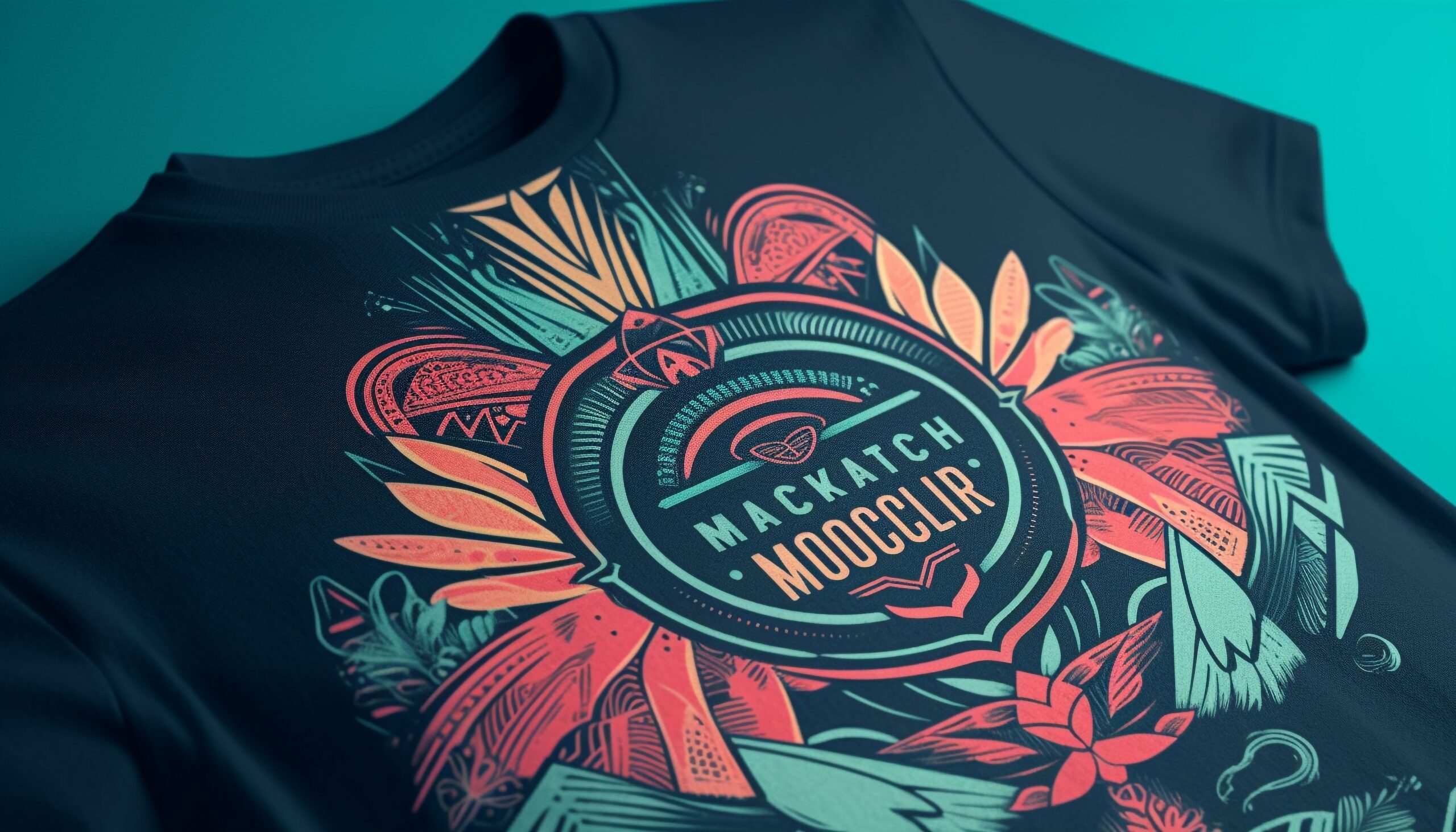
The era of compromising on apparel design is officially over. For decades, independent artists, boutique fashion labels, and merchandise creators were forced to simplify their artwork to fit archaic manufacturing limitations. If you wanted to print a design, you had to worry about the number of colors, the complexity of the gradients, and whether the details would simply blur into a messy blob on the fabric. Today, bringing a complex, multi-layered visual concept to life is completely accessible. The modern creator economy demands perfection, and achieving it requires a fundamental shift in how we approach the garment itself. The foundation of this new creative freedom relies entirely on utilizing high-quality smart blanks tailored specifically for advanced digital applications.
When you merge visionary artwork with state-of-the-art production methods, the result is retail-ready merchandise that commands high price points. This guide is dedicated to the creative director, the illustrator, and the brand owner who refuses to settle for standard, uninspired clothing. We will explore how abandoning old printing constraints and embracing new technologies allows you to push the boundaries of apparel art, focusing heavily on intricate design placement, color fidelity, and the absolute necessity of a premium foundation.
Breaking the Constraints of Color and Complexity
To truly appreciate the current landscape of apparel decoration, one must understand the frustrating limitations of the past. Traditional screen printing is an incredible art form, but it is inherently hostile to complex, photographic, or highly gradient-heavy artwork. Every single color in a design requires a separate mesh screen, a separate squeegee setup, and a separate pass of heavy plastisol ink. A design with twelve distinct colors, subtle shading, and drop shadows becomes a logistical nightmare and an incredibly expensive undertaking. Creators would regularly have to “dumb down” their art, reducing continuous tones into harsh, solid halftones.
The introduction of dtf transfers has completely shattered these artistic barriers. Because this technology utilizes a digital inkjet process to apply the image onto the release film, it operates with the same color freedom as your computer monitor. You are no longer restricted to a handful of spot colors. You can print photorealistic portraits, intricate digital paintings, glowing neon effects, and microscopic typography without any setup penalties.
This digital workflow allows creators to maintain the exact integrity of their original vision. The printer lays down a precise white underbase on the film exactly where it is needed, followed by vibrant CMYK color layers. When pressed onto the garment, the colors remain incredibly opaque and true to the digital file, regardless of whether the shirt underneath is stark white, pitch black, or vibrantly dyed. This level of color management provides brand owners with absolute confidence that what they design on screen is exactly what their customer will wear.
The Canvas Redefined: The Importance of Surface Architecture
Having the capability to print millions of colors means nothing if the underlying garment cannot support the detail. Think of printing on a cheap, standard t-shirt like trying to paint a masterpiece on a piece of rough sandpaper. The microscopic peaks and valleys of coarse, open-end cotton yarn will interrupt the ink, resulting in pinholes, cracking, and a generally dull appearance.
This is precisely why professional creators rely exclusively on smart blanks. These garments are not just clothing items; they are engineered print surfaces. Manufacturers achieve this by utilizing combed and ring-spun cotton. The cotton fibers are meticulously brushed to remove short, stray fibers and impurities before being spun into incredibly fine, tight yarns. The resulting fabric is incredibly dense, flat, and buttery soft to the touch.
When you apply a digital print to this tightly knit surface, the hot-melt adhesive has a uniform, uninterrupted surface to bond with. There are no loose, fuzzy fibers to break the seal. This structural harmony is what creates that highly sought-after “soft hand” feel, where the print feels flexible and integrated into the fabric rather than feeling like a rigid plastic shield sitting on top of the chest.
Innovative Placement Strategies for Modern Streetwear
One of the most significant advantages of using flexible digital printing methods is the ability to rethink graphic placement completely. The standard twelve-inch center chest graphic is classic, but modern streetwear and high fashion brands differentiate themselves through unique, unexpected print locations. Traditional printing presses have bulky platens that make it incredibly difficult to print near seams, over zippers, or on tightly curved areas.
Because dtf transfers are applied via heat press using specialized pressing pillows, your placement options become virtually limitless. Brand owners can now easily apply intricate, high-resolution branding to the side of a hood, running down the length of a sleeve, or wrapping around the lower hem of a shirt. You can create custom, tagless neck labels that feature incredibly small, legible text detailing care instructions and fabric composition, instantly elevating the perceived value of the piece.
Furthermore, this flexibility allows for custom placement based on garment size. Instead of using one medium-sized print for every shirt from Small to XXL, designers can scale their artwork and apply larger transfers to larger garments, ensuring the graphic-to-fabric ratio remains perfectly balanced across the entire sizing run.
Navigating Fabric Types and Specialized Transfer Behaviors
True expertise in apparel decoration requires a deep understanding of how different fabrics react under a heat press. Cotton, polyester, and tri-blends all possess distinct thermal properties. While modern digital prints are highly versatile, the application technique must be adapted to the specific substrate to ensure a permanent bond and a flawless finish.
When working with 100 percent premium cotton, the primary focus is simply pressing with sufficient heavy pressure to drive the melted adhesive deep into the organic fibers. Cotton can withstand high heat, making the process straightforward. However, when working with synthetic fabrics like polyester athletic wear or nylon jackets, the approach must change. Synthetic dyes are prone to a phenomenon called dye migration, where the heat of the press causes the garment dye to turn into a gas and seep into the printed image.
To combat this, professional decorators utilize specific low-temperature adhesive powders formulated for dtf transfers. These specialized powders melt at much lower temperatures, allowing you to adhere the print to the synthetic garment without triggering dye migration or scorching the delicate fabric. Mastering these temperature and pressure variables ensures that your brand can expand into activewear, outerwear, and accessories without compromising on visual quality.
Establishing a Professional Brand Aesthetic with Custom Premium Shirt
A clothing brand is only as strong as its consistency. If your first collection features heavy, structured shirts and your second collection features thin, poorly constructed garments, you will immediately lose customer trust. Establishing a coherent, recognizable aesthetic requires partnering with a supplier that maintains rigorous quality control standards.
By sourcing your inventory from Custom Premium Shirt, you lock in that critical consistency. Their commitment to superior manufacturing means you can build your brand identity around specific silhouettes, fabric weights, and color palettes knowing that they will remain available and identical batch after batch. When a customer falls in love with the fit and feel of your apparel, they will return expecting the exact same luxurious experience. Utilizing Custom Premium Shirt guarantees that your foundation always matches the high quality of your creative artwork.
Creating a Flawless Production Environment
Translating digital designs into physical apparel requires a clean, precise production workspace. Heat presses are sensitive pieces of equipment, and any variance in temperature or pressure will directly impact the durability of your product. Investing in a high-quality, commercial-grade heat press with edge-to-edge even heating is absolutely essential.
Operators must regularly calibrate their equipment using laser thermometers to ensure the digital readout matches the actual temperature of the heating platen. Additionally, managing workspace humidity plays a surprising role in application success. Too much ambient moisture in the room can cause the garments to absorb water. When pressed, this water turns to steam, pushing outward and preventing the adhesive from forming a permanent bond. Professional setups always include a pre-pressing step to vaporize any hidden moisture within the smart blanks before the actual design is applied.
Frequently Asked Questions
Can photographic images be accurately reproduced on garments?
Yes, absolutely. Unlike traditional spot-color methods, modern digital film processes utilize high-resolution inkjet print heads that mix cyan, magenta, yellow, and black inks. This allows for the precise reproduction of continuous tones, smooth skin textures, and highly complex gradients, making it the ideal choice for photographic artwork on apparel.
Do I need different adhesive powders for different materials?
While standard hot-melt adhesive powders work exceptionally well for most cotton and cotton-poly blends, specialized projects require specific materials. If you are printing on heavily dyed polyester garments, using a low-cure powder combined with an anti-migration black powder backing is highly recommended to block the garment dye from seeping into the artwork.
How does the breathability of digital prints compare to plastisol?
Digital film prints are incredibly thin and flexible. Because the white underbase is printed only exactly where it is needed within the design file, there is no unnecessary bulk. The water-based pigment inks move and stretch naturally with the garment, resulting in a much lighter, more breathable feel compared to a thick, heavy block of traditional plastisol ink.
Why do some prints develop a glossy sheen and how can I fix it?
A glossy sheen is completely normal after peeling the initial carrier film. To remove this sheen and lock the ink deeper into the fabric, you must perform a secondary post-press. By covering the design with a piece of matte parchment paper or a specialized teflon sheet and pressing it again for five to ten seconds, you will instantly transform the finish into a highly desirable, retail-ready matte texture.
Conclusion
The modern apparel industry rewards creativity, precision, and a relentless commitment to quality. The tools to build a globally recognized clothing brand are now available to anyone willing to master the nuances of the craft. By refusing to compromise on your base materials and completely rethinking how artwork is applied, you separate yourself from amateur merchandise operations. Equip your production line with the unbeatable quality of Custom Premium Shirt, pair those exceptional foundations with the boundless creative potential of dtf transfers, and start bringing your most ambitious design concepts to life. Your audience is waiting for something extraordinary, and you now have everything you need to deliver it.
