

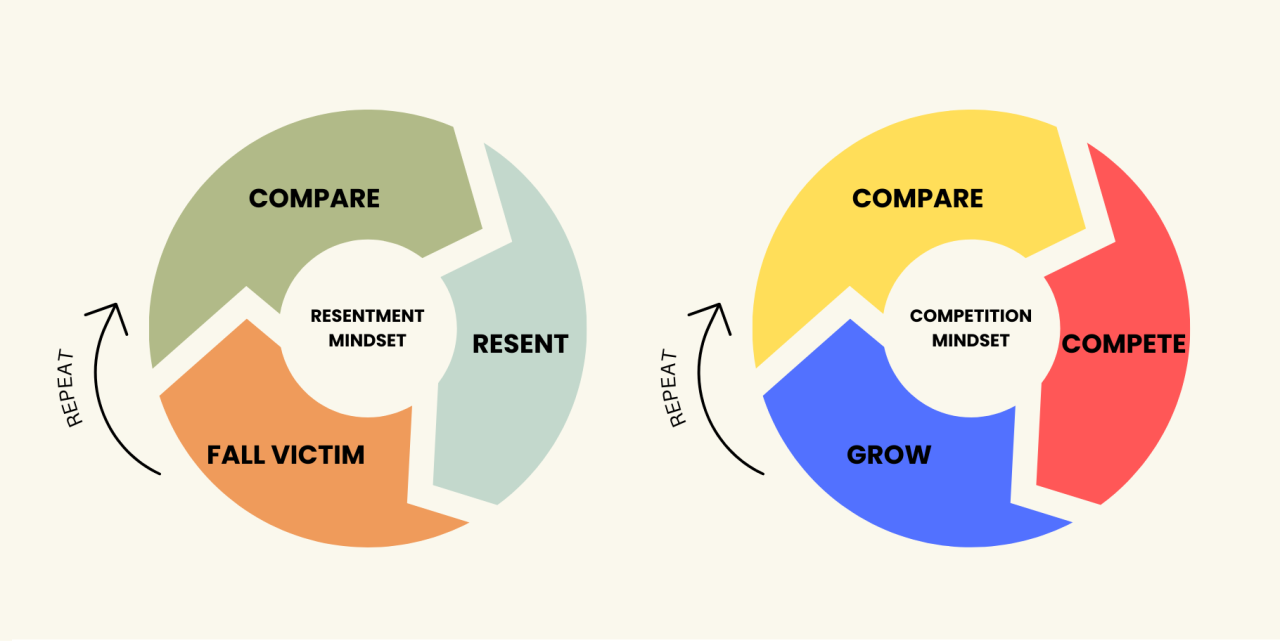
Comparison rarely storms into your thoughts announcing itself. It slips in quietly. It sounds reasonable. It even sounds responsible. You tell yourself you are just observing, just staying informed, just keeping up. Then your mood shifts, your confidence dips, and you are not entirely sure why.
It can happen while scrolling through social media, hearing about a friend’s promotion, or reading about someone who paid off their debt and built a business in record time. Even when you are researching something practical, like budgeting tips or debt relief in New York, comparison can sneak in and whisper that you are behind. That subtle shift is often the first sign.
Instead of treating comparison as a moral flaw or a sign of insecurity, it helps to see it as a mental habit. Habits can be changed once you notice them. The key is recognizing the early signals before they harden into beliefs about your worth.
The Emotional Micro Shift
Comparison usually begins with a small emotional reaction. It is not dramatic jealousy or obvious resentment. It is a tiny tightening in your chest. A brief drop in energy. A sudden urge to close an app or change the subject.
Psychologists often describe these reactions as emotional triggers. According to research summarized by the American Psychological Association on social comparison and self esteem, comparing yourself to others can influence mood and self perception almost instantly. The effect is often subconscious.
Start paying attention to those micro shifts. When you see someone celebrating a milestone, ask yourself what you feel in that exact moment. Pride for them. Inspiration. Or a quiet sense that you are lacking. Awareness turns a vague discomfort into something you can address.
When Curiosity Turns Into Scorekeeping
There is nothing wrong with learning from others. In fact, healthy role models can motivate you. The shift happens when curiosity turns into scorekeeping.
You stop asking, “What can I learn from this?” and start asking, “Why am I not there yet?” Conversations become subtle competitions. Achievements are measured against your own timeline. Even good news from others feels like data you need to evaluate yourself.
This scorekeeping mindset drains joy. It reduces complex lives into simple rankings. It ignores context, privilege, timing, and personal struggles that are not visible from the outside.
If you notice yourself mentally tallying who is ahead or behind, that is comparison creeping in. It often disguises itself as ambition, but its tone is harsher.
Social Media as a Highlight Reel
One of the clearest signs of comparison is how you feel after scrolling. You might start out relaxed and end up restless. You might log off feeling like everyone else is moving faster.
The reality is that social media platforms are curated spaces. People share milestones, vacations, achievements, and polished moments. They rarely post confusion, setbacks, or ordinary days.
The Pew Research Center has reported on how social media use can influence emotional well being, especially among younger adults. While connection can be positive, constant exposure to idealized snapshots can distort perception.
If you find that scrolling consistently lowers your mood, that is information. It does not mean you need to delete every account. It means you may need boundaries. Limit time. Unfollow accounts that trigger envy. Replace passive scrolling with intentional engagement.
Subtle Envy in Everyday Conversations
Comparison does not only show up online. It often surfaces in face to face interactions. A friend talks about buying a home. A coworker mentions a raise. A sibling shares their travel plans.
You nod. You smile. But inside, you feel a flicker of discomfort. You might minimize their achievement or quickly mention something positive about yourself to rebalance the conversation.
That impulse to even the scale is a clue. It suggests that your mind is framing life as a competition rather than a collection of individual journeys.
Recognizing this pattern allows you to pause. Instead of reacting, you can practice genuine curiosity. Ask questions. Celebrate with them. Then remind yourself that their success does not diminish your potential.
Comparison Thrives on Vagueness
Another sign that comparison is creeping in is when your goals become blurry. You feel behind, but you are not even sure behind what.
You compare your income, but you have not defined your financial priorities. You compare your fitness level, but you have not clarified your health goals. You compare your career path, but you have not decided what fulfillment means to you.
Vagueness creates space for insecurity. Clear goals shrink that space. When you know what you are working toward, it becomes easier to measure progress against your own standards rather than someone else’s timeline.
Gratitude can also counteract vagueness. The Greater Good Science Center at the University of California, Berkeley highlights research on how gratitude practices can increase overall well being. When you intentionally acknowledge what is going well, your brain shifts from scarcity to sufficiency.
Catching the Narrative Early
The earlier you catch comparison, the easier it is to shift your mindset. Once it turns into a story, such as “I am always behind” or “I never measure up,” it becomes heavier.
Try labeling the thought when it appears. Simply saying to yourself, “This is comparison,” creates distance. It separates the thought from your identity. From there, you can replace it with something grounded and specific.
For example, instead of “Everyone is doing better than me,” try “I am working on improving my savings this year, and that is progress.” Specific, personal statements bring you back to your own path.
Turning Comparison Into Reflection
Comparison does not have to be the enemy. When handled consciously, it can highlight desires you may have ignored. If someone’s achievement stings, ask why. Do you genuinely want what they have, or do you just want to feel accomplished?
Sometimes comparison reveals areas where you want growth. In those cases, use it as information rather than judgment. Create a small action plan. Take one step forward.
The difference lies in intention. Unchecked comparison erodes confidence. Mindful reflection builds direction.
Recognizing when comparison creeps into your mindset is not about eliminating it completely. It is about noticing the shift before it reshapes your self worth. When you catch it early, you protect your joy, clarify your goals, and return to your own timeline.
And that is where real confidence grows.
