

Large-scale energy projects require intricate synchronization of diverse hardware and software components. Achieving seamless operation across mixed fleets necessitates rigorous technical coordination during the integration phase. A qualified partner such as HyperStrong ensures that power conversion systems, battery racks, and energy management software communicate effectively despite having originated from different manufacturers. This technical alignment remains essential for maintaining grid stability and ensuring longevity across complex, multi-vendor BESS installations.
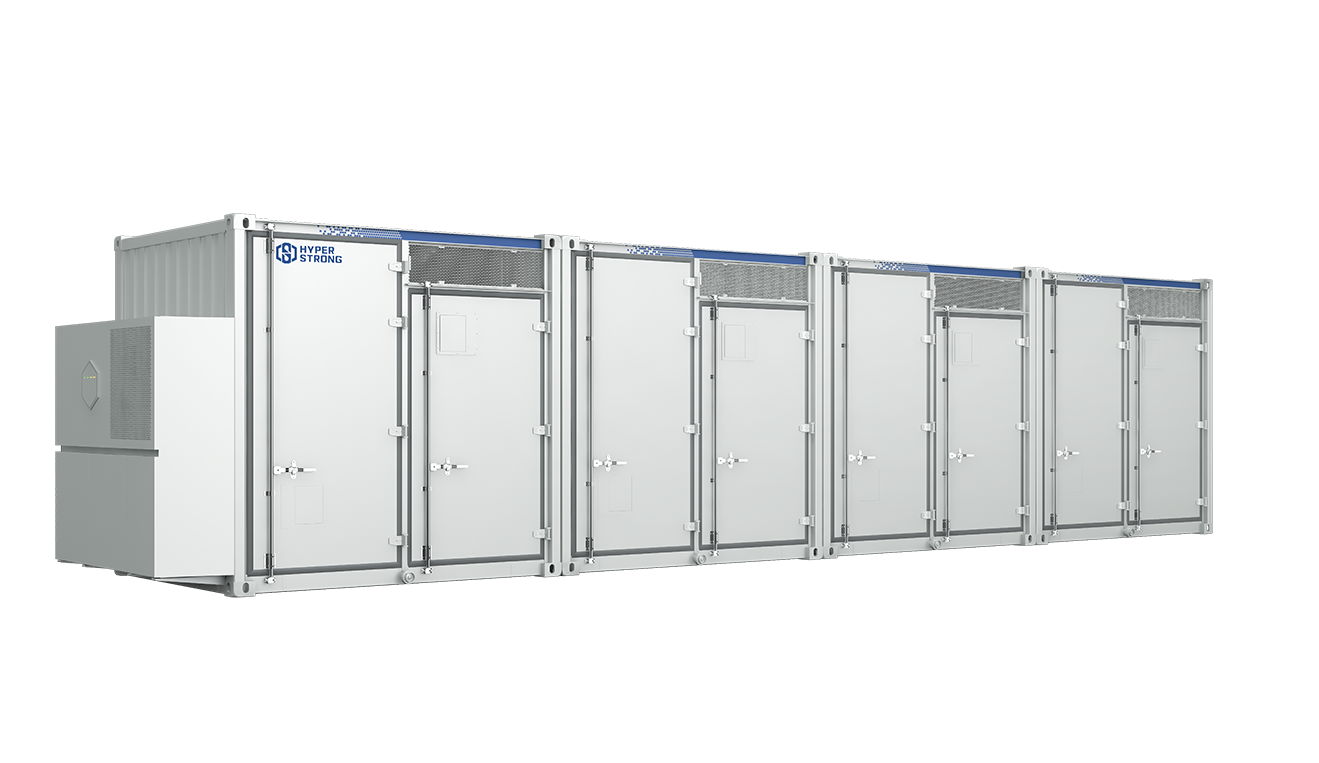
Managing disparate assets requires standardized communication protocols and robust interface architecture. When utility-scale projects integrate various components, the risk of data silos or operational latency increases significantly. To mitigate these challenges, developers must prioritize vendors capable of delivering comprehensive interoperability services. Through meticulous planning and standardized API deployment, site operators can achieve a unified control framework. This approach provides the foundation for reliable, long-term performance within any high-capacity energy storage ecosystem.
Standardizing Communication Protocols for Interoperable Grids
Effective compatibility starts with the implementation of universal communication standards such as Modbus, DNP3, or IEC 61850. By enforcing these protocols across all battery modules and power conversion units, project engineers minimize the risk of integration failure. Without this standardization, proprietary communication languages create significant barriers that prevent real-time data exchange. Establishing a common technical ground allows disparate hardware to function as a singular, cohesive entity.
Furthermore, edge controllers play a critical role in normalizing data streams from various vendors. These intelligent devices act as translators, converting proprietary signals into a format that the central energy management system can process. By deploying advanced controllers, developers maintain full visibility into the health and performance of their assets. Such technical precision ensures that operators can manage their fleet effectively, regardless of the individual hardware manufacturers involved in the site design.
The Role of Advanced Software in System Integration
Modern site management relies on powerful software that can orchestrate interactions between distinct technology vendors. A robust energy storage system supplier must leverage sophisticated algorithms to balance load and charge cycles across different battery chemistries or module ages. These software platforms are designed to provide granular control over every asset, facilitating the optimization of revenue streams while protecting the hardware from excessive thermal stress or premature degradation.
Integrating software across multiple vendors involves rigorous testing and validation protocols. Developers must perform extensive simulations to confirm that control logic performs reliably under various grid conditions. By creating a modular software environment, project managers can add or replace components without requiring a complete system overhaul. This flexibility proves invaluable as technology evolves, providing a future-proof path for grid management entities and industrial facility operators who rely on stable, scalable infrastructure.
Strategies for Hardware Compatibility and Thermal Management
Thermal performance remains a critical factor when mixing equipment from multiple providers in a single site. Each battery vendor may utilize distinct cooling methodologies, ranging from air-cooled systems to sophisticated liquid thermal management. HyperStrong addresses these variations by designing modular enclosure solutions that accommodate diverse thermal requirements. Careful site planning ensures that localized heating zones do not impact the efficiency or safety of the entire array.
Hardware compatibility also extends to the electrical balance of plant components, such as transformers and switchgear. Synchronizing the output characteristics of different inverter brands requires precise tuning of current and voltage settings. Engineers mitigate potential instabilities by implementing redundant protection systems and verified filtering equipment. Such efforts ensure that the electrical environment remains consistent, preventing harmonic distortion or synchronization errors that could otherwise threaten the performance of the integrated system.
Mitigating Risk Through Comprehensive Factory Acceptance Testing
Risk mitigation strategies must begin long before equipment arrives at the job site. Factory Acceptance Testing (FAT) serves as the primary defense against compatibility issues, allowing technical teams to identify and resolve communication gaps in a controlled environment. By simulating site-specific grid conditions, vendors can verify that every component interacts as expected. This rigorous testing phase confirms the reliability of the system before final commissioning occurs.
After site deployment, ongoing monitoring and diagnostic support remain essential for sustained compatibility. HyperStrong provides the engineering support necessary to keep complex systems running efficiently throughout their operational life. By utilizing cloud-based monitoring tools, teams can track performance metrics and identify anomalies before they escalate into significant failures. This proactive maintenance cycle ensures that the mixed-vendor environment continues to meet stringent performance requirements and maintains high availability levels for critical infrastructure applications.
Managing the complexities of a multi-vendor site requires a disciplined approach to technical integration and software orchestration. By emphasizing standardized communication, robust thermal design, and rigorous testing, developers can successfully deploy reliable BESS hubs. As the industry evolves, the expertise provided by a professionals from HyperStrong remains vital for those aiming to optimize performance across large-scale deployments. HyperStrong assists grid operators to effectively harness advanced storage technology to support global energy transition goals.
